Category

News

Bhutan Ultra 2026 cancelled

By News

As an athlete, a DNF hurts …

I didn’t really consider last year’s cancellation of the Bhutan Ultra a “DNF”. I had been late in promoting the race and wasn’t sure I had given it enough time for the word to spread. I also made the decision to cancel very early because I didn’t want even a small number of athletes to get excited, book flights, take time off work, and organize everything, only for me to cancel at the last minute. After all, the Bhutan Ultra is a major commitment, both in terms of time and money. To this day, I assume very few people would sign up for a trip like this on short notice.

For 2026, however, things were different. There was plenty of time for people to enquire, plan, and register. But it hasn’t happened. There simply hasn’t been enough interest. And that makes this feel very much like an organizer’s DNF.

The most difficult part is that I honestly don’t know what the problem is. It is probably a combination of many factors. Perhaps I needed to invest more in marketing and reach a larger audience. Maybe the cancellation in 2025 made interested athletes hesitant and encouraged them to wait and see. Increased flight prices are certainly not helping. The race itself is not inexpensive either. And requiring a minimum of two weeks away from home may simply be too much for many people.

So, if you have been following the Bhutan Ultra and have considered participating in 2026 or beyond, I would genuinely love to hear from you. I’m beginning to think it may not make sense for me to continue trying to establish the Bhutan Ultra on my own – but perhaps I’m wrong. Any feedback you can provide will help me make that decision.

What makes it especially hard to let go is how much I have enjoyed Bhutan. The local team is incredible, and I know that anyone who gave this race a chance would return home inspired – by the people, the culture, the landscapes, and the challenge itself.

What I would like to offer for 2026, and possibly beyond, is a trail running and hiking adventure along the eastern section of the Trans Bhutan Trail. We will follow exactly the same route we had envisioned for the race, but it will not be a competitive event. Instead, it will be an adventure for trail runners and strong hikers who enjoy moving efficiently through mountain terrain and who are looking for an experience rather than a race. We are currently finalizing the budget and I expect to be able to confirm the details next week.

I realize that, for 2026, a trip of this scale may be too short notice for many people. For that reason, I will also soon announce dates for 2027. For either year, we need a minimum of ten participants to make the trip possible. If this sounds interesting to you, please get in touch.

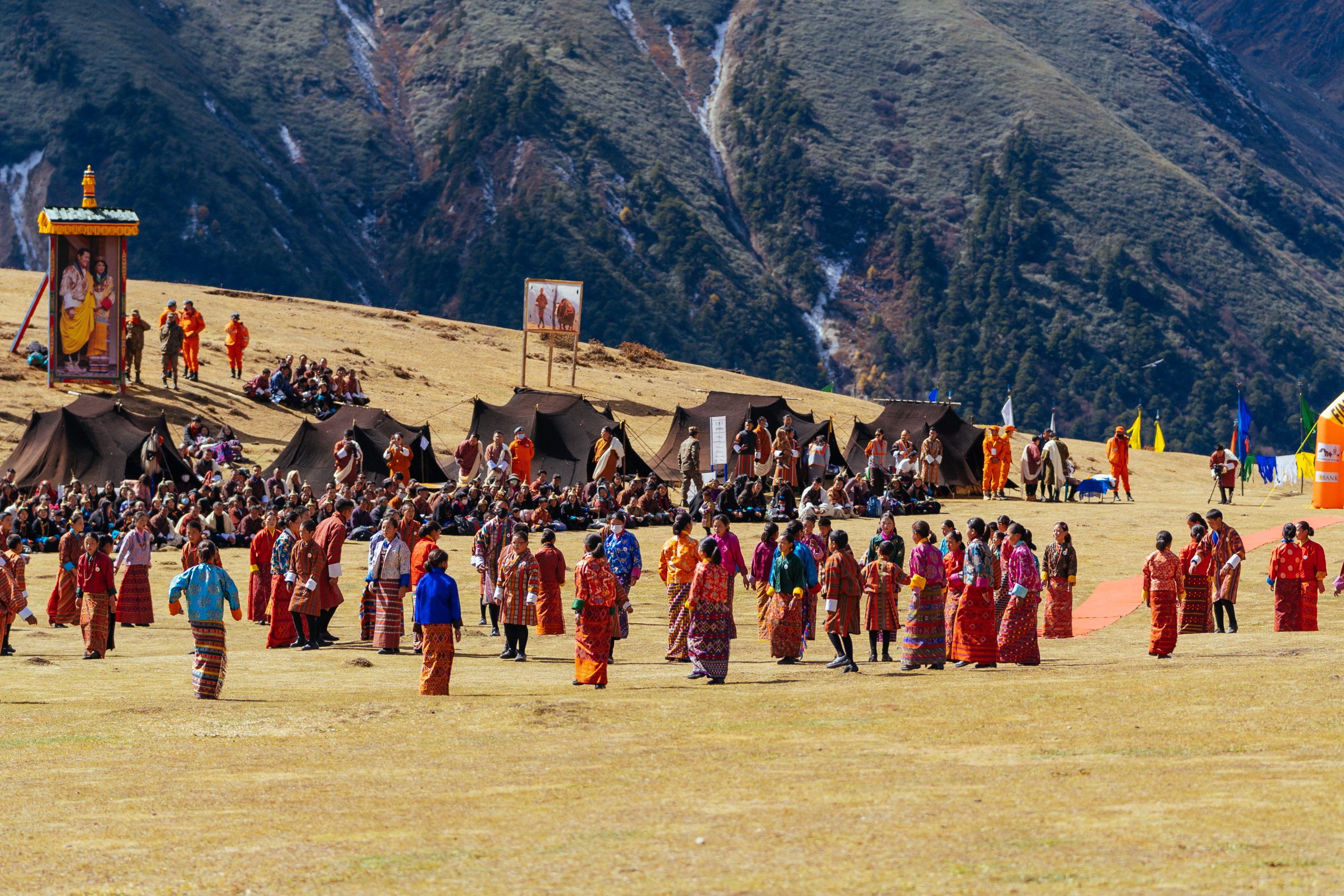
I will also be offering the Laya Run & Royal Highland Festival trip again next year. That trip can run with as few as two guests, and by the end of October 2026 we will have feedback from this year’s participants. As always, if you have any questions about that experience, please don’t hesitate to contact me.

As for the Bhutan Ultra itself, I will wait for feedback before making a final decision about giving it a third attempt. I have also reached out to larger event organizers with greater marketing reach to see whether they might be interested in taking on the project.

Because, ultimately, I don’t really care whether it is me organizing it or someone else.

Eastern Bhutan- and this section of the Trans Bhutan Trail in particular – would greatly benefit from more visitors. The Bhutan Ultra is an incredible way to show the world what this part of the kingdom has to offer.

Whether I end up organizing the event myself or simply helping others make it happen doesn’t matter to me. My goal has always been the same: to help the people and communities of this remarkable region.

Returning to the analogy of an athlete’s DNF, I can also see the positive side of this experience. The Bhutan Ultra project has already given me so much. It allowed me to meet and work with amazing people. It took me on a hike and an adventure that I will never forget in one of the world’s most fascinating countries. It taught me that, while starting new winter ultras seems to come relatively easily to me, anything that doesn’t involve snow appears to be a completely different challenge. The lessons I have learned, the people I have met, and the experiences I have had will stay with me and help shape future decisions and projects.

Last but not least, you can of course also create your own Bhutan adventure.

The team behind the Trans Bhutan Trail is the perfect local partner for anyone interested in exploring the kingdom on foot. They can fully customize a hiking or trail running itinerary for individuals, couples, or groups of any size. Simply tell them what kind of experience you are looking for, how much time you have available, and they will put together a proposal tailored to your interests. So, if Bhutan is on your bucket list, don’t hesitate to get in touch with them directly: www.transbhutantrail.com.
Before the race – our itinerary

By News

Like most ultras, the Bhutan Ultra is more than just a race – it’s a journey. In the Land of the Thunder Dragon, every step before the start line is part of the adventure. You won’t just acclimatize to altitude – you’ll immerse yourself in a culture, a landscape, and a rhythm unlike anywhere else on Earth.

If you join us for the long itinerary (17 days), this is what we have in store for you:

November 11th, arrival – Paro (2,400 m)

Your adventure begins with one of the most spectacular landings in the world – grab a window seat! As you descend into Paro, you’ll immediately feel that this is no ordinary race destination. You will arrive at one of the world’s most beautiful airports and right away get a first tase of Bhutanese hospitality – warm, genuine, and unforgettable.

Apart from that, it will be a “quiet” day. We’ll go on a tour of Paro and give you the chance to settle in.

November 12th, Tiger’s Nest – your first test (3,120 m)

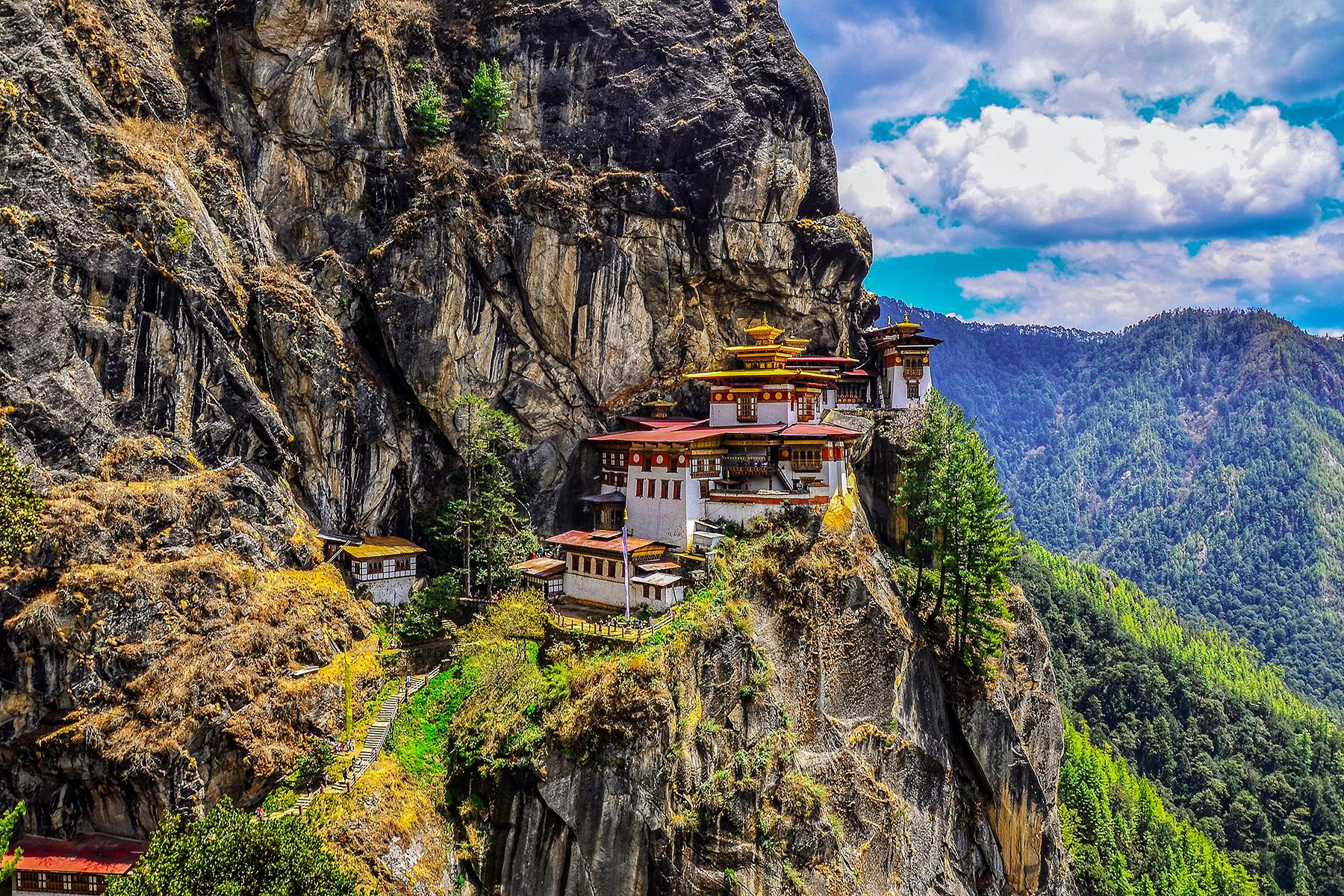
The next day, you hike to the legendary Tiger’s Nest Monastery, perched dramatically on a cliff. The 4-hour climb is your first real encounter with altitude – and your first quiet reminder to slow down, breathe, and respect the mountains.
Inside the monastery, cameras are not allowed. Just you, the silence, and the moment. It’s a powerful way to arrive – mentally as much as physically.

November 13th, Thimphu – the capital (2,320 m)

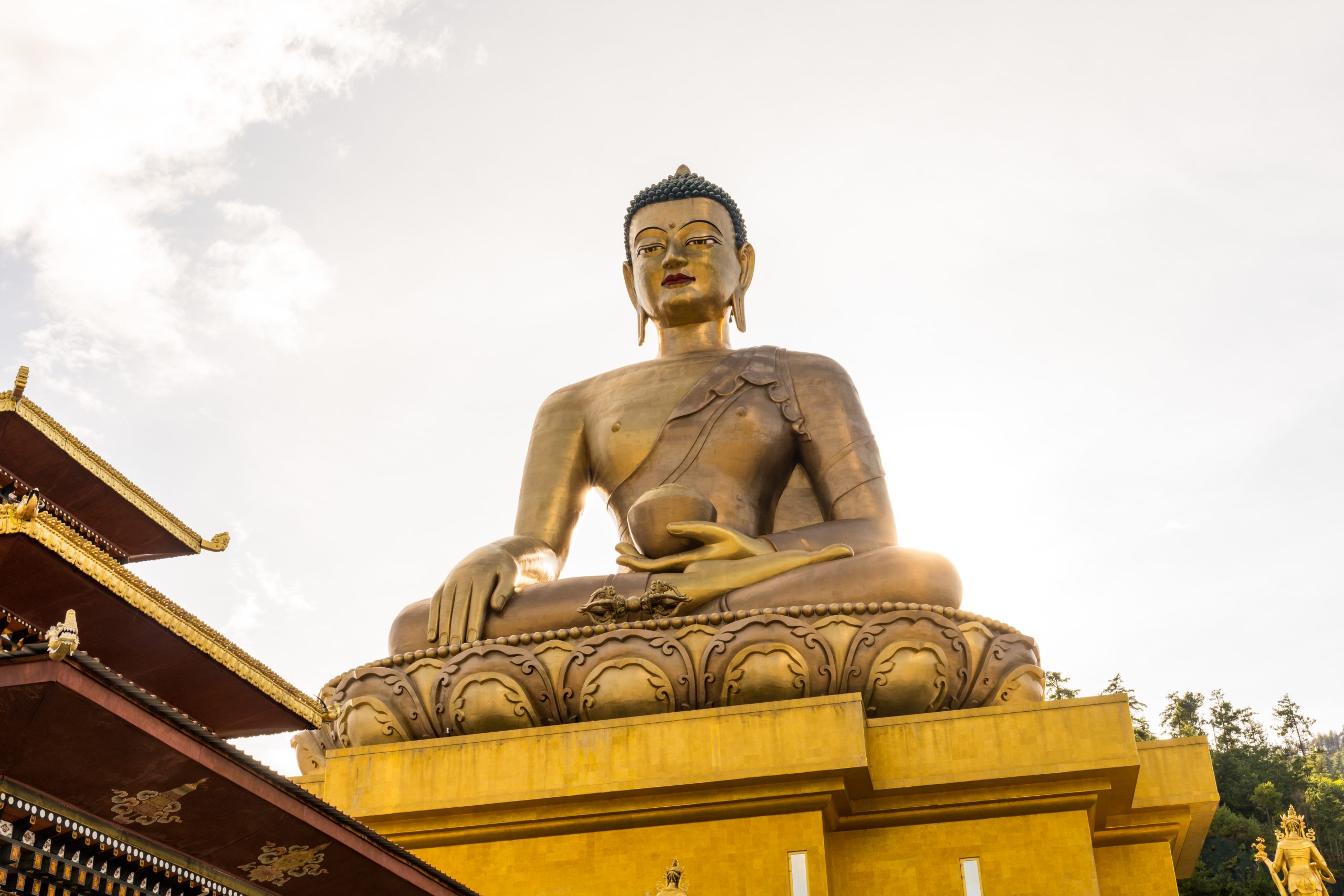
In Thimphu, you begin to find your rhythm. You’ll stand beneath the Buddha Dordenma statue which is 54 m tall and was built to celebrate the 60th anniversary of fourth king Jigme Singye Wangchuck. It houses over one hundred thousand smaller Buddha statues, each of which, like the Great Buddha Dordenma itself, are made of bronze and gilded in gold.
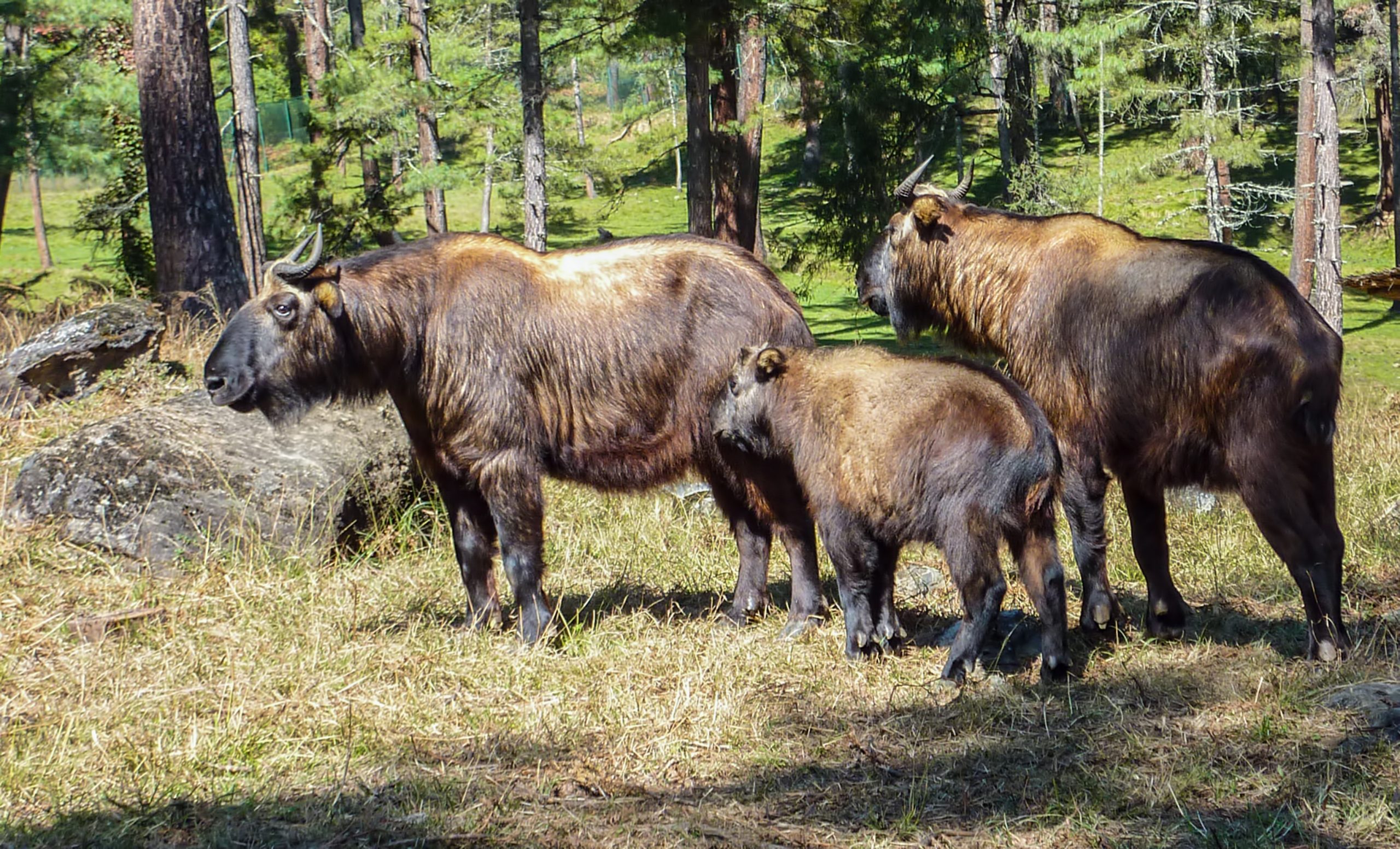
Then we visit the Motithang Takin Preserve on the eastern outskirts of Thimphu. This peaceful, forested reserve is home to Bhutan’s national animal – the takin (Budorcas), a rare and unusual species deeply rooted in the country’s culture.

Takins have been revered in Bhutan for centuries. According to legend, they were created by the Tibetan Buddhist master Drugpa Künleg, known as “The Divine Madman” for his unconventional teachings. Once kept in a small zoo, the animals were released after a king declared that keeping animals in captivity was not in line with Buddhist values. Having grown used to human care, they remained near Thimphu, often wandering in search of food. To protect them, the Motithang Takin Preserve was established.

Later, an optional run or hike to Sangayang viewpoint (2,685 m) gives you your first chance to move fast at altitude. It’s not about racing – it’s about listening to your body.

November 14th, Thimphu to Punakha – moving through landscapes

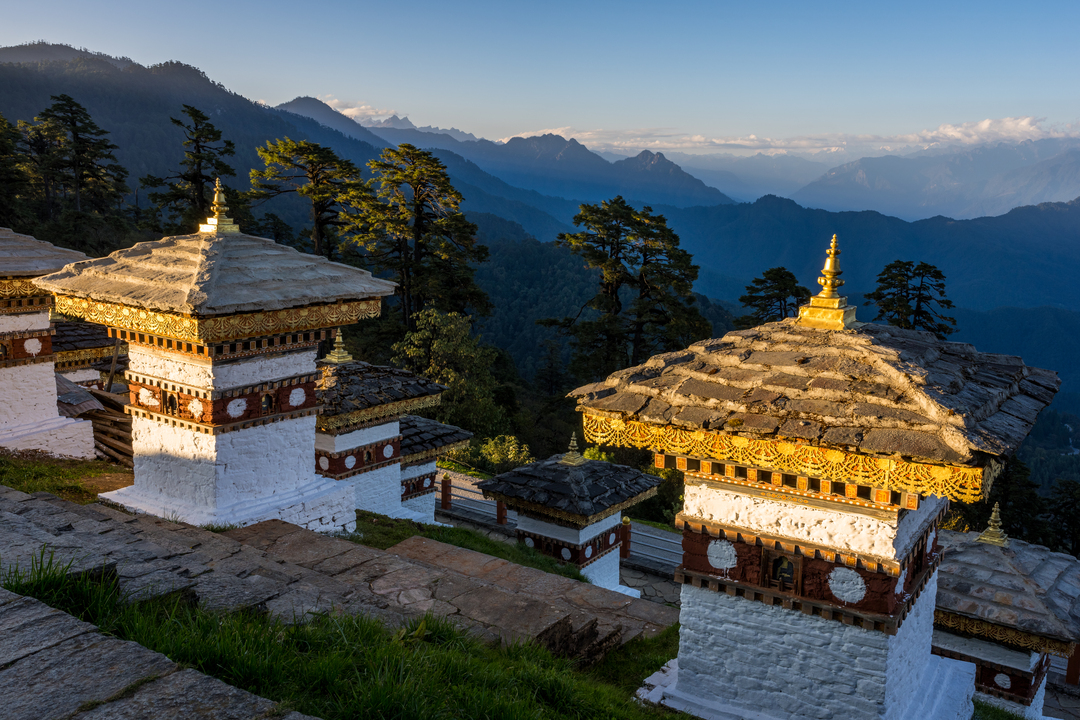
As you travel east, the scenery shifts dramatically. At Dochula Pass (3,116 m), we stop for a visit of the 108 chortens that rise there against the backdrop of the Himalayas – quiet and powerful.

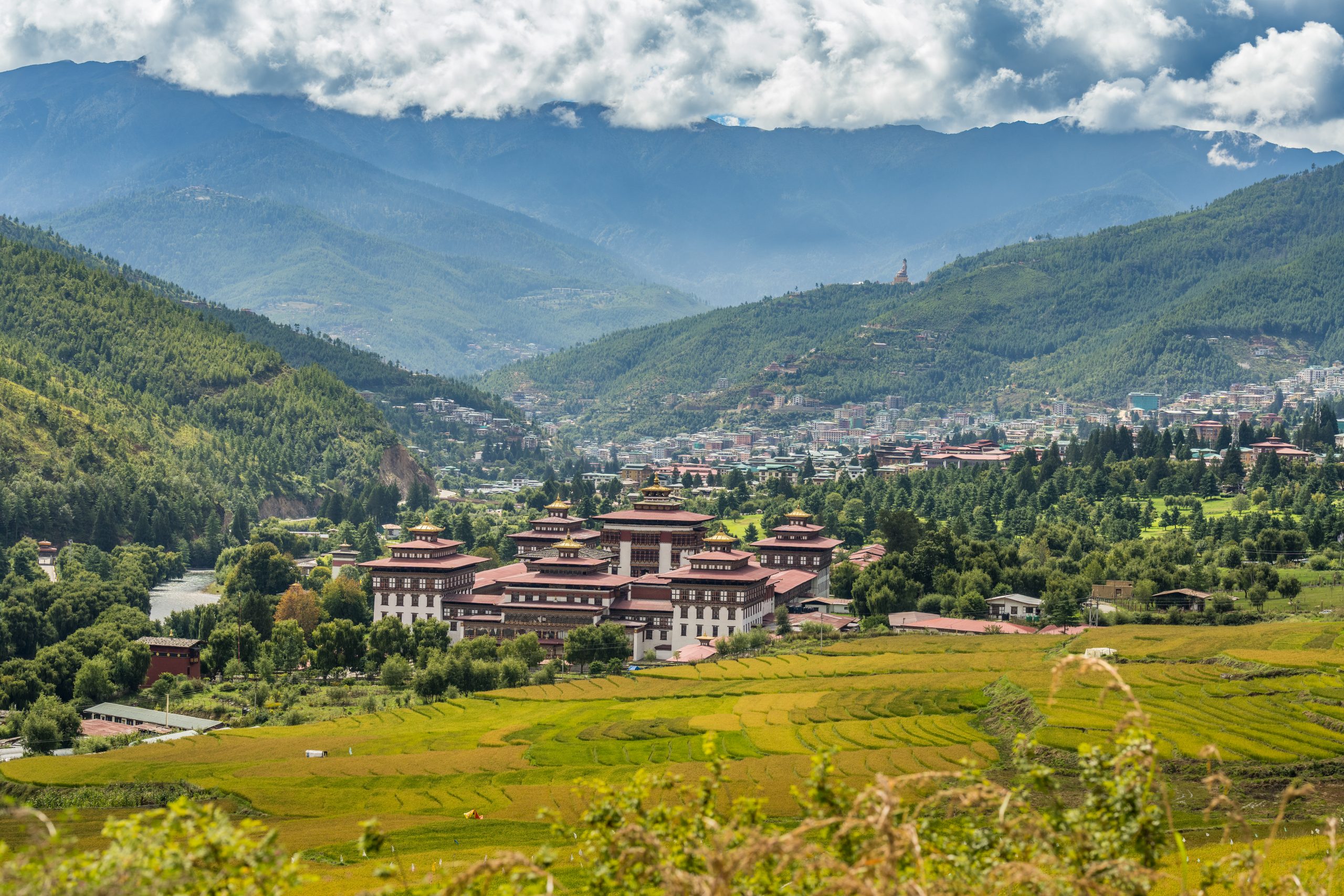
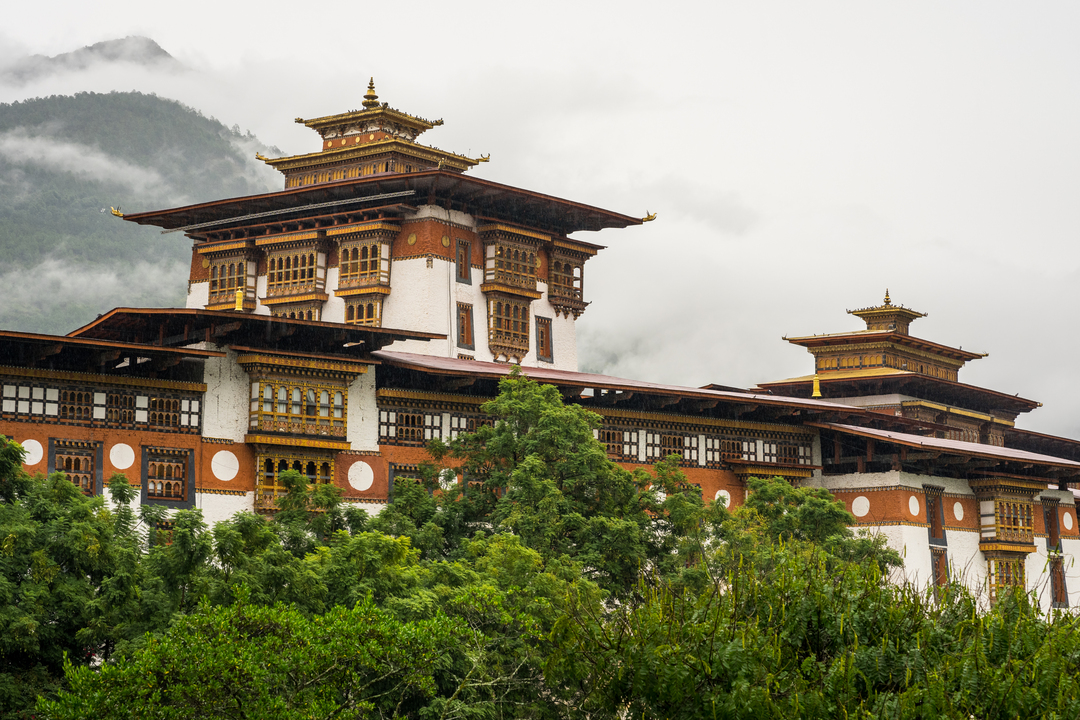
Afterwards, you’ll hike a 8 km section of the Trans Bhutan Trail (Thinleygang to Sew Drangsa) before descending into the lush Punakha valley, where you’ll explore the stunning Punakha Dzong (1,200 m). It is a Buddhist fortress-monastery and the administrative center of Punakha District. Built in 1637–1638 by Shabdrung Ngawang Namgyel, it is the country’s second oldest and second largest dzong, and one of its most impressive buildings. It served as Bhutan’s government seat until the capital moved to Thimphu in 1955.

November 15th, Phobjikha Valley – space to breathe

In the wide, glacial Phobjikha Valley (3,000 m), time seems to slow down. This is a place for quiet miles, easy movement, and deep breaths. If you’re lucky, you may even see the rare black-necked cranes that migrate here each winter.

November 16th, journey to the start – Trongsa

The final approach takes you over Pele La Pass (3,423 m) and into more remote Bhutan. A hike to the ancient village of Rukubji (3,000 m) gives you a chance to feel ready.

In the afternoon, we arrive in Trongsa and finish the day with the official gear check.

November 17th, the day before the race

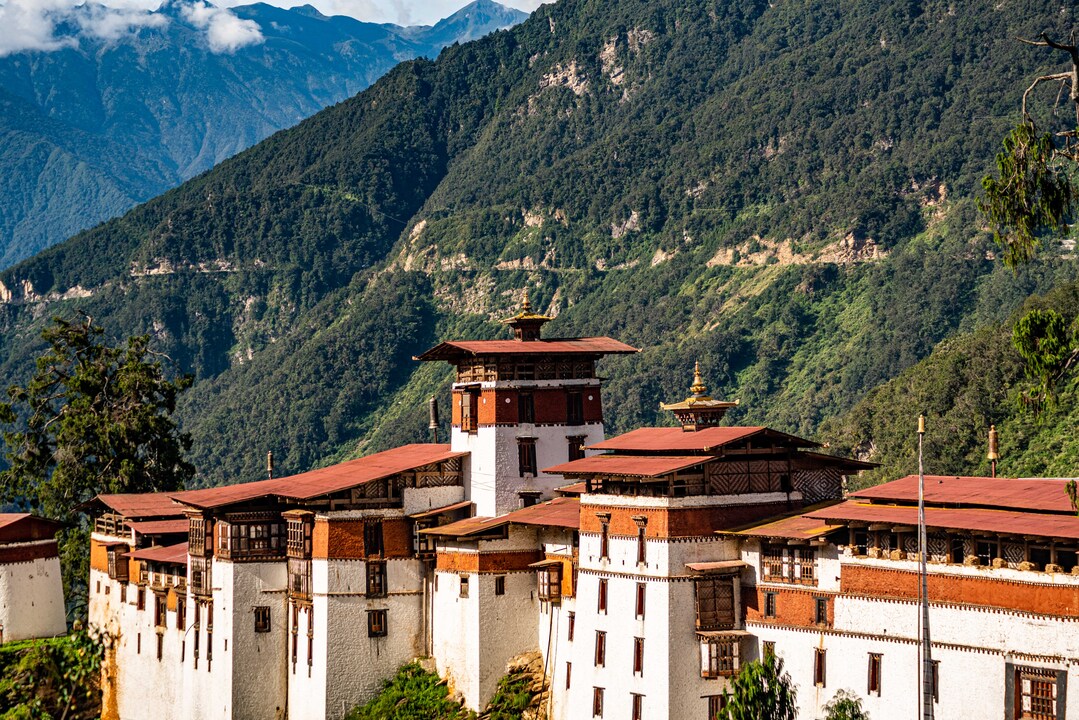
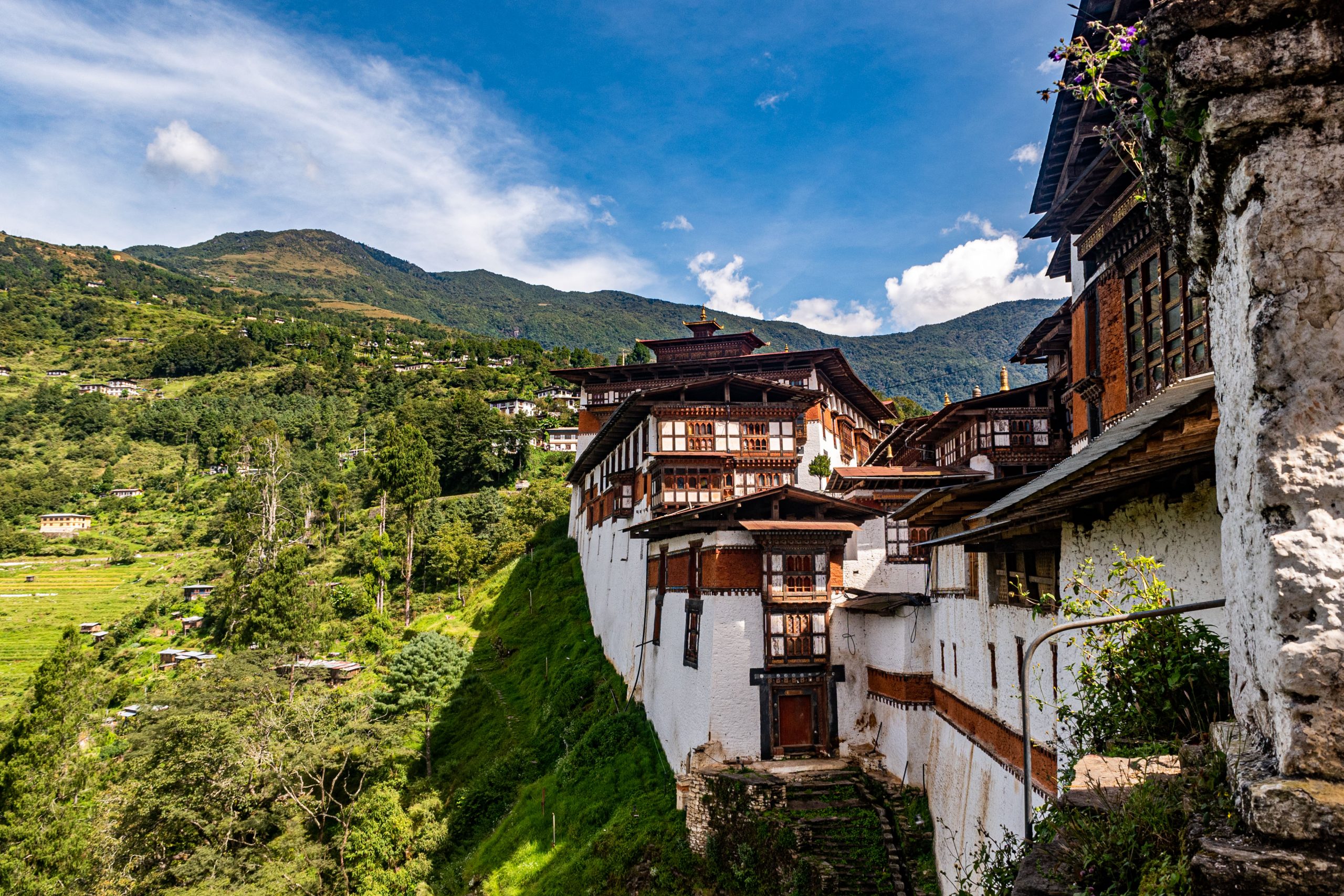
After the race briefing, you’ll have time to rest, reflect, and explore the remarkable Trongsa Dzong – your start line.

The nerves will be there. But so will something else: calm, focus, and a deep sense that you’re exactly where you’re meant to be.

If you opted for the short itinerary, you will arrive in Bhutan on Nov. 14th. The next day you will also do the Hike to the Tiger’s Nest. Then, on the 16th, you will travel straight to Trongsa, with a stop at Dochula Pass on the way and Punakha Dzong on the way.

You can now sign up online

By News

For more than 20 years I have used a paperbased process for athletes to sign up to my Arctic Ultra events, i.e. you had to print a pdf-file, then scan and email it and later on send or hand in the originals. Originally, this also has been the process for the Bhutan Ultra.

Last winter we tested a process that was mainly done online – the only exception being the Medical Certificate which eventually does need to get printed because a doctor needs to fill it in and sign it. This new way of doing it worked really well. So, as of today, I am rolling it out for all events, including the Bhutan Ultra!

You will get to the forms below. Alternatively you can click on this link: https://form.jotform.com/261112821718047


Gear talk

By News

I’ve updated the gear section on our website. Since the Bhutan Ultra is designed for experienced mountain ultra runners, the equipment guidelines shouldn’t come as a surprise.

As with any mountain ultra, effective layer management is key. Mornings can be cold, climbs are physically demanding, and higher up it can get cold again due to altitude and exposure to wind. Later in the day, fatigue sets in and temperatures tend to drop once more. For all of these conditions, having the right layers – and adjusting them as needed – is essential. The “gear talk” reflects this approach.

That said, I hope you still find the information useful as an athlete. At the very least, it should confirm much of what you were already expecting. And perhaps you’ll come across a few tips you hadn’t considered that could help in your preparation.

Needless to say, there’s no such thing as perfect equipment that works for everyone. We all respond differently to temperature, our fitness levels vary, and so do our race strategies. Preferences also differ when it comes to fabrics, grip, cushioning, and drop in footwear and much more.

If you have any questions about your kit – whether you’re already signed up or just considering it  – please don’t hesitate to get in touch. I’m always happy to help.

Friends & Family

By News

Ultra running is, in most cases, a solitary pursuit. Bhutan, however, is such a special destination that friends or family might say, “… I wish I could join you.” Well – they can. If you’d like to bring a friend or partner to the Bhutan Ultra, it’s absolutely possible. The stage race format makes it ideal.

Before the race, your companion simply joins the group. If they prefer to take it easy and skip an activity, that’s perfectly fine too. During the race, friends and family can watch each start before heading off on their own adventures. They’ll be transferred to the daily finish lines and, along the way, discover stunning landmarks and historic sites. Where accessible, we’ll also include visits to selected checkpoints. The cost is the same as for our athletes and depends on the length of the stay and the booking timeline.

If you’re interested in the friends and family program, just let us know when you sign up for the race.

The race is on …

By News

Our winter season is coming to an end. We had an amazing the Yukon Arctic Ultra in February and the 5th edition of the Lapland Arctic Ultra, which started March 1st, was great, too!  We had a record race roster and started into a true winter wonderland! Further down bellow you will find some impressions.

Now the focus is on the Bhutan Ultra and Rainforest Ultra. Thanks to everyone who has already expressed an interest! I’ve resumed talks with the Trans Bhutan Trail management, and we are all really looking forward to making our first 200 km ultra in Bhutan a reality.

Like in Brazil, the only thing we still need is more international competitors. So, I will spend the next couple of months reaching out to the ultra running community again and hopefully I will find 30 brave souls who will give the Land of the Thunder Dragon a go.

For anyone who will join us, I guarantee you a trip you will never forget. Just the places you will see before and after the race are worth the visit. Let alone running and hiking 200 km on the eastern part of the Trans Bhutan Trail.

I am fully aware that it’s not a cheap trip. But if you compare our entry fee to any trekking trip to Bhutan you will see that we are actually very competitive with the pricing. Also, please keep in mind that the entry fee does include the USD 100/day visitor fee. A fee that is collected to help finance Bhutan’s health system and education.

If you want to be part of the first edition Bhutan Ultra, please don’t hesitate to get in touch. Also, feel free to contact me with questions at any point in time.

Impressions from the Lapland Arctic Ultra 2026 – photographed by Jonas Palsson:

Date for the Bhutan Ultra 2026 is set!

By News

Bhutan Ultra 2026 - key details

The date for the Bhutan Ultra 2026 is now confirmed!

Long itinerary: Arrival in Paro, Bhutan on November 11th

Short itinerary: Arrival in Paro, Bhutan on November 14th

The first few days will be spent exploring and acclimatizing as we travel eastward to Trongsa. The race starts on November 16th.

Regardless of distance – whether you’re doing 150 km or 200 km – all participants will complete six daily stages. The departure day from Paro Airport is November 27th.

Of course, it’s possible to extend your stay in Bhutan if you wish. Just let us know how long you’d like to remain and what additional experiences you’re interested in. We’ll connect you with the Trans Bhutan Trail Management team, who can help plan your additional itinerary and provide quotes for further adventures.

Friends & family itinerary

We also offer a special program for friends and family. They will join us during the acclimatization days and enjoy additional sightseeing while the race is underway. On certain race days, we’ll organize visits along the trail – wherever feasible – so they can cheer on the athletes.

Please note that friends and family members should be reasonably fit, as we’ll be active at relatively high altitudes. They don’t need to be “ultra-running fit,” but they should be comfortable with very active days in a mountain environment. Naturally, the itinerary can be adjusted if someone needs a lighter day.

If you have any questions about bringing friends or family, please don’t hesitate to reach out.

Will the 2026 race happen?

That depends on reaching the minimum number of participants. Launching a new race is always a bit tricky – many athleres prefer to sign up once they see others on the roster.

To make things easier and fair for everyone, here’s how we’ll handle this for 2026:

  • The down payment (€450) is fully refundable until the race is officially confirmed.
  • We expect to know by spring 2026 whether we have enough participants. Once confirmed, the down payment becomes non-refundable.
  • Those who sign up early not only help make the race happen but also secure the lowest possible entry fee.
  • Booking flights in spring or shortly after should still offer good availability and prices for November travel.
  • If, by spring, we’re still short on numbers, we’ll communicate transparently and cancel the event if necessary.

Other Bhutan adventures

Copyright: Tourism Bhutan

If you’d love to experience Bhutan but don’t want to race, check out our “Laya Run & Royal Highland Festival” adventure trip.

It’s separate from the Bhutan Ultra and offers active travelers a chance to discover Bhutan while participating in a unique mountain run and cultural celebration.

You can find all the details here:

👉   bhutan-ultra.com/laya-run-royal-highland-festival/

Inaugural Bhutan Ultra postponed to 2026

By News

Unfortunately, the inaugural edition of the Rainforest Ultra has to be postponed from 2025 to 2026. If you’ve seen the recent update about the Rainforest Ultra in Brazil, you’ll have noticed that we’ve adjusted the timing for that event as well. The reason is the same in both cases: we simply haven’t had enough athlete sign-ups to make the events viable.

In the case of the Bhutan Ultra, I held off making the final call because planning had progressed further, and I was still hopeful. But ultimately, the numbers just aren’t there.

After organizing winter ultras for over 20 years, I’m honestly not sure what’s caused the slower interest this time. One thing I do know is that I couldn’t dedicate enough time to promoting these new races. With everything else going on, marketing fell a bit short – which is ironic, considering I come from a marketing background!

So I had a choice: continue as I was and hope things change, or make some changes and do things better.

At 51 years “young,” I’ve chosen the latter. I quit my job in Sales and closed my Racelite online shop to fully focus on race organizing and trail projects. It’s a leap – and of course, no guarantee of success. The world feels increasingly complex, and many factors may be at play, some of which I might not even be aware of. But I care deeply about both the Rainforest and Bhutan Ultras, and I’m not ready to give up on them.

The goal now is clear: work hard and make the Bhutan Ultra 2026 a reality. I’ll be reaching out, building new connections, and having honest conversations to better understand how to make this event work. If you’re reading this and are even remotely interested, I’d love to hear from you. And if you’re interested but have hesitations, I want to hear from you, too – your feedback is incredibly valuable.

We’re aiming for November 2026 for the Bhutan Ultra. The exact date will be announced soon.

A busy winter is coming to an end

By News

After a brief “break,” we headed straight into the Bright Equipment Lapland Arctic Ultra. On March 2nd, 55 athletes from 14 countries hit the trails with us in Överkalix, Sweden. Fortunately, the weather was far kinder than in Canada, resulting in a significantly higher finisher rate. Here are some highlights, beautifully photographed by Isak Sandling:

Immediately following our winter ultras, we shifted gears to plan for next winter. That process is now complete. Start dates are set, and the necessary paperwork for both races is in place.

Now, our focus turns to our upcoming ultras in Brazil and Bhutan.

First off, we want to apologize for not sharing more updates over the last few months. The intensity of our winter events kept us fully occupied.

The big question is whether we will gather enough athletes to launch the Bhutan Ultra on the Trans Bhutan Trail successfully this November. At present, we don’t have enough participants registered to make it viable. The uncertainty lies in how many athletes are still planning to sign up but haven’t done so yet – and how many we can reach before the entry deadline on August 31st.

One of our biggest challenges is timing. We can’t, and don’t want to, cancel at the last minute – it wouldn’t be fair to those who have committed early, planned their trips, and possibly even booked flights. At the same time, we recognize the growing trend of last-minute travel decisions. So, we’ll tackle this the way an ultra-athlete approaches a race. Step by step.

Step #1 will be to try and find 15 athletes by the end of April. Should we fail at that, we will likely cancel the Bhutan Ultra 2025 and give it another go for 2026. If we get 15 athletes by April 30th we will initiate Step #2, which is to keep planning with a 2025 Bhutan Ultra and to continue reaching out to see if we can get a full race roster. A total of 50 athletes is our goal.

If you believe in what we do, we’d love your help in spreading the word! If you’re interested in participating, please reach out. And even if this year doesn’t work for you but you’d like to join us in 2026, let us know – we value any feedback that helps us bring the Bhutan Ultra to life.

Learnings from the recce

By News

Here are some learnings from my November 2024 recce:

Acclimatization and effort
Although I didn’t acclimatize perfectly, I managed to handle the daily stages. Due to the altitude, the climbs were demanding, i.e. I did have to work harder compared to when I am hiking and running at home, in the German Alps. This highlights the importance of acclimatization, especially for athletes who don’t have the opportunity to train at high altitudes regularly.

Training for elevation
It’s expected but worth emphasizing: even if you don’t have access to mountains at home, it’s essential to train your legs for both uphill and downhill terrain. If you come to this ultra without incorporating elevation into your training, you’re unlikely to succeed.

Trail characteristics
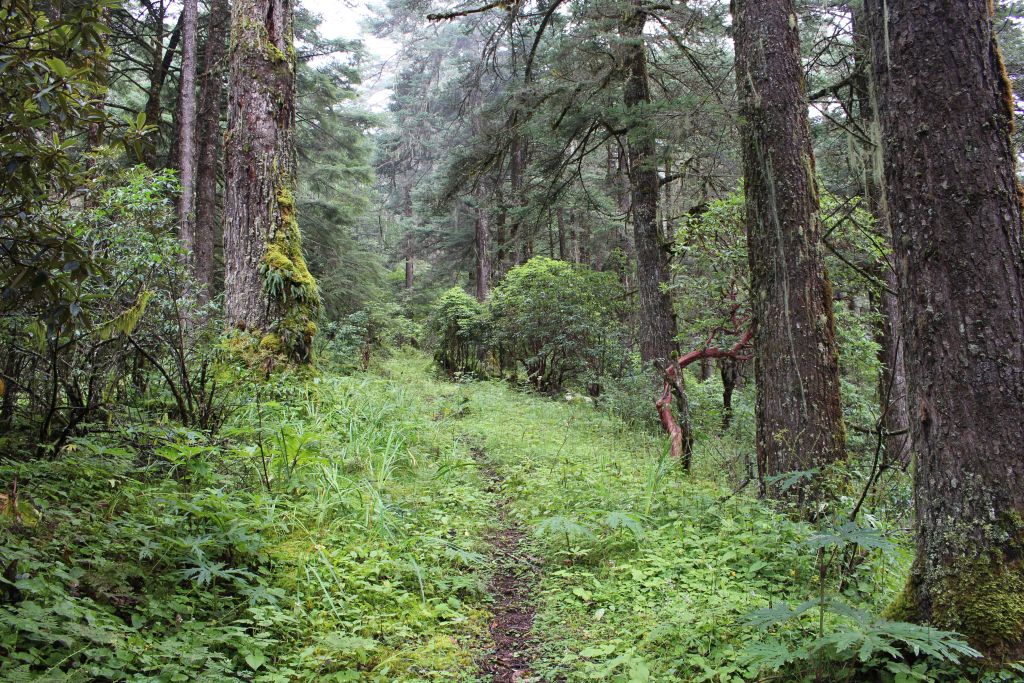
The Trans Bhutan Trail TBT traverses the heart of the country. While the elevation peaks close to 4,000 meters, most trails wind through forests. Open areas and pastures offer breathtaking views, but many kilometers are under tree cover. This makes it feel less like a high-alpine ultra marathon than you may expect. It’s stunning nonetheless and it’s super interesting to see the changing colors as we move east. Initially, it feels like fall (which it is) but within a couple of days the trail features section that feel like a jungle and green is the predominant color again.

Trail challenges
The trail’s difficulty reminded me of alpine trails. Elevation gain is one factor, but equally critical is the need for experience running or hiking narrow single tracks with steep drop-offs on one side. If you’re afraid of heights or uncomfortable on such trails, this ultra may not be suitable for you. There are many sections where a misstep could have severe consequences, and it’s impractical to install ropes or position rescue crews everywhere. Therefore, it’s more important to be comfortable with technical, challenging trails than to be a seasoned ultra-runner.

Hiking vs. running
I designed this ultra to be achievable for hikers. After the reconnaissance, I still believe it’s possible. We hiked all the uphills, but on some downhills, we moved at speeds close to trotting. Keep in mind, I carried a heavy backpack (about 10 kg) and frequently stopped to take waypoints with my GPS and discuss trail features.

For the longer stages, we’ll begin at 6 am and aim to finish by 5:30 pm. In some cases, we’ll offer guide-assisted escorts for athletes who don’t meet a specific cutoff. This means participants can continue to the finish without being unranked the next day. However, solely hiking is challenging, especially if you struggle to make up time on the technical downhills, which include rocky trails, thousands of steps, roots, and wet sections.

I’ll soon confirm the stage lengths, checkpoint distances, and daily elevation gain so you can plan accordingly.

Shorter distance option
To accommodate varying skill levels, I am planning on introducing a shorter-distance option. Participants in this category will cover fewer kilometers each day (e.g. 30 km instead of 40 km). They’ll then be transported to the daily camps to join the others. This allows more time at camp to immerse in the local culture while maintaining the same overall itinerary.

I estimate the shorter race will cover 120–150 km over six days. Details about the exact distance and logistics will follow soon.